 Alexander wan2ted Evsin
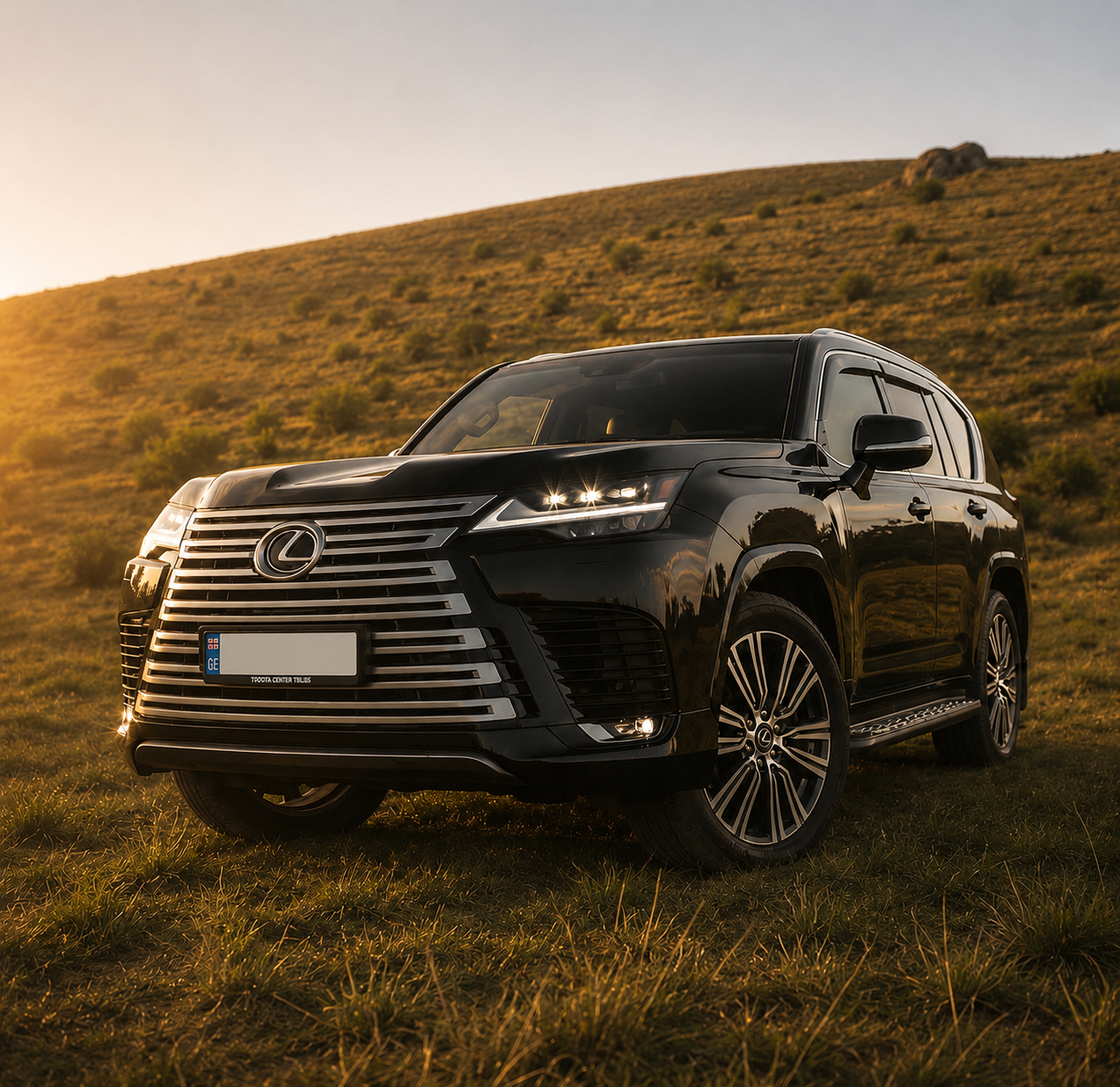
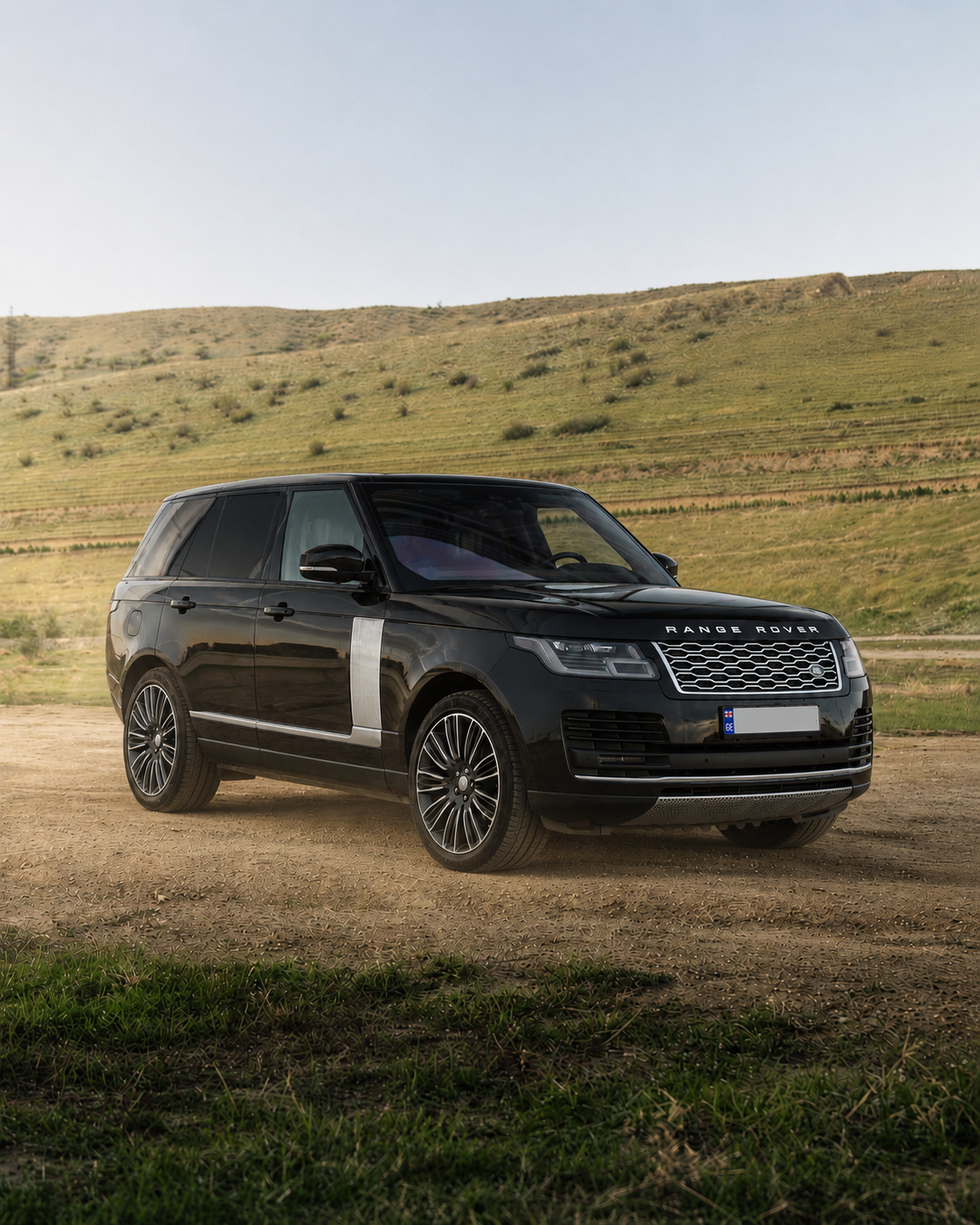
A grey Mercedes-AMG G63 idles outside the Radisson Blu Iveria on a Saturday morning. Tbilisi plates. Walk ten minutes down Rustaveli and you will pass three more. Visitors clock this on day one: a country where salaries are a fraction of Western Europe's, and the streets carry more G-Wagons than Geneva.
The arithmetic behind that street scene changed on 2 April 2026. Georgia cancelled a planned ban on importing cars older than six years, then raised the excise on those cars by roughly 5.6 times instead. Most guides on the internet still describe the ban. It never took effect.
We rent these cars for a living, so we have an interest here. We also have the numbers. Below is the honest version of the math, including the part where owning wins.
Quick answer
Owning a luxury car in Georgia carries costs the classic "cars are cheap here" advice never mentions: import excise of 1.5 GEL per cm³ (4.5 GEL per cm³ past six years) since 2 April 2026, 18% VAT on top, a used market built on rebuilt salvage, a thin premium service scene, and no statutory liability insurance on locally registered cars. A modest daily driver still pencils out. A G63 mostly does not. Start with how rental deposits work, renting with a driver and how insurance works here.
What actually changed on 2 April 2026?
For a few weeks in early 2026, Georgia was set to ban imports of passenger cars older than six years outright, from 1 April 2026, with EVs exempt. The government cancelled that ban in mid-March, before it took effect, and replaced it with a tax move: from 2 April 2026, import excise on cars up to six years old is 1.5 GEL per cubic centimetre of engine volume, and 4.5 GEL per cubic centimetre for anything older. That is roughly a 5.6-fold jump on the older segment, which is exactly the segment Georgia's used market runs on. WC Shipping's Poti 2026 update documents the flip, and Georgian importer Espero publishes the same rates.
The practical point: any import-cost guide dated before spring 2026 is wrong twice. The ban it warns about does not exist, and the excise it quotes is off by a multiple.
Excise is not the whole bill either. Add 5% import duty, then 18% VAT calculated on the car's value plus duty plus excise, then clearance fees of about 272 GEL per proauto.ge's customs calculator. The official calculator lives at rs.ge if you want to run your own numbers.
What does that do to a G63?
Illustrative math, using the AMG G63's 3,982 cc V8 and the published rates:
| Import cost line | G63 up to 6 years old | G63 older than 6 years |
|---|---|---|
| Excise (3,982 cc) | 1.5 GEL × 3,982 = 5,973 GEL | 4.5 GEL × 3,982 = 17,919 GEL |
| Import duty | 5% of customs value | 5% of customs value |
| VAT | 18% on value + duty + excise | 18% on value + duty + excise |
| Clearance and admin | ~272 GEL | ~272 GEL |
Notice the trap. The older car looks like the budget route, yet its excise alone is 17,919 GEL, and the 18% VAT is then charged on a base that includes that excise, so the tax on the tax adds thousands of lari more. On a big-engine SUV, age no longer saves you money at the border. Check the exact figure for any specific car on the rs.ge calculator before you believe a listing.
Why is Tbilisi full of G-Wagons then?
Because the supply chain that built this market still works. It runs on salvage. A large share of the premium metal on Georgian roads arrived as written-off auction cars from the US, Canada or the EU, was rebuilt locally, and re-entered the market looking showroom-fresh.
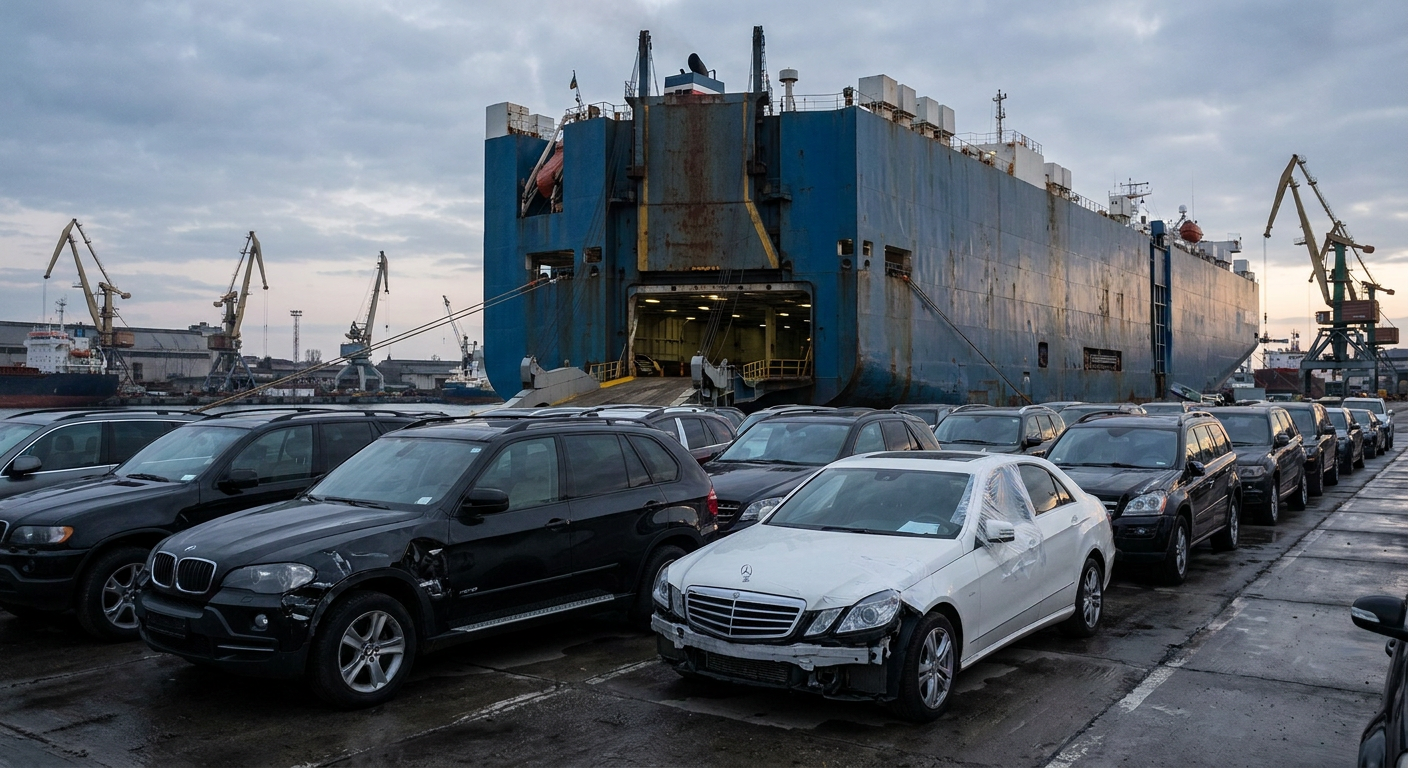
An Italian rebuilder explained his own math on r/tbilisi:
"Italian here... imported a vehicle in Georgia and rebuilt it for 16K... In my home country it would have costed me twice if not three times as much... most premium vehicles you see are bought salvaged in the Us Canada or EU and rebuilt."
u/nemeths on r/tbilisi
For him, a professional, that trade makes sense. For a buyer who cannot read the car's auction history, the same market looks different. The bluntest verdict in that thread has stayed with us:
"Write offs imported from US and cosmetically repaired. Don't expect original parts or functioning catalytic converter, air bag etc. All fur coat and no knickers."
u/Ok-Dress-341 on r/tbilisi
The same import economics that fill Tbilisi with G-Wagons make a trustworthy one expensive. The visible price is low because the invisible history is priced in. Paying for a verified, unwrecked example usually means importing it yourself, at the new excise rates above.
Who fixes a luxury car here after you buy it?
The second ceiling is service. Georgia has capable mechanics for the Toyota and Lexus fleets it runs on. Factory-level diagnostics, genuine parts and proper bodywork for AMG, Brabus or late-model Land Rover product is a much shorter list. An owner four years into a Lexus put it plainly:
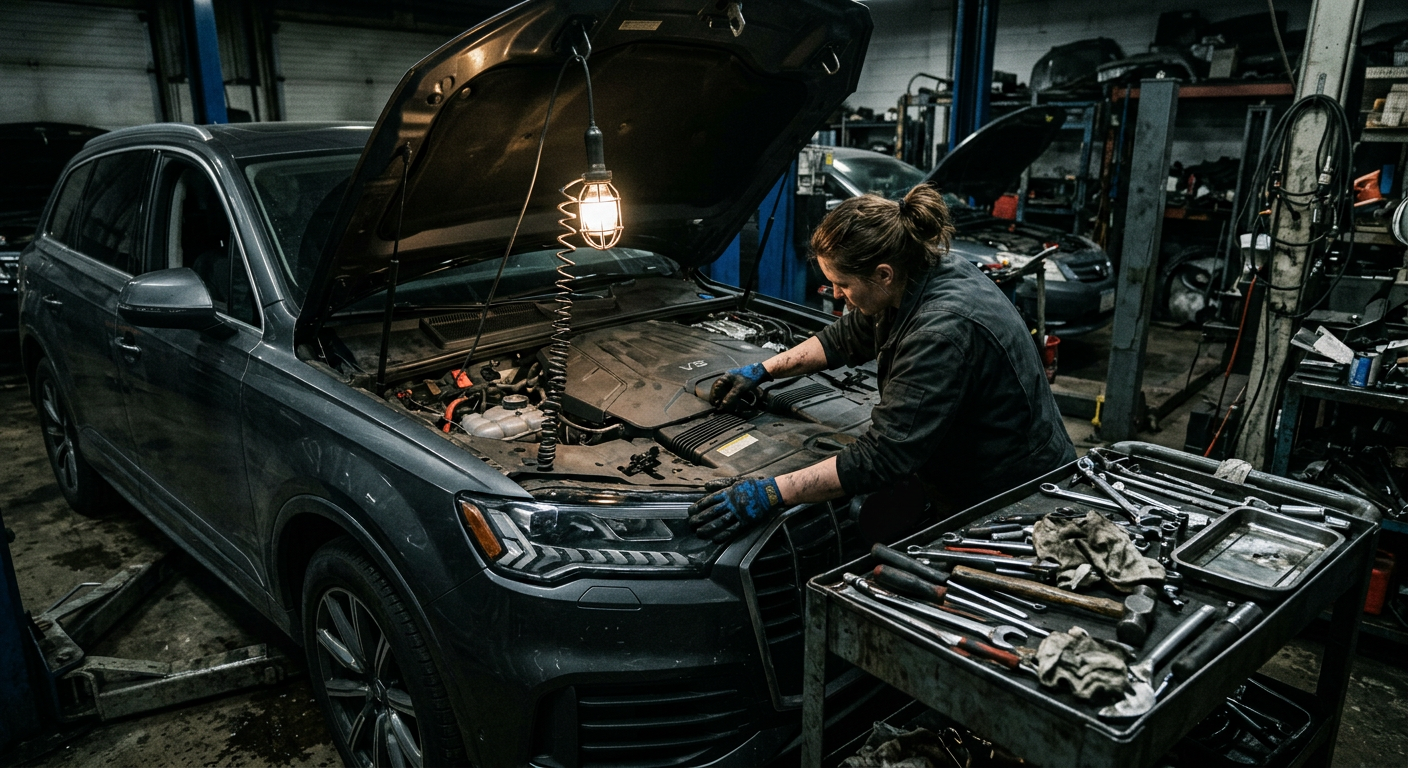
"It's extremely difficult to find a reliable, qualified and experienced mechanic here."
u/MaleficentSkirt8383 on r/Sakartvelo
Owners in the same discussions report 700 to 1,000+ GEL a year as a baseline maintenance spend on an ordinary car, before anything actually breaks. Premium parts come by order, often from Dubai or Germany, and the car waits while they travel. On a rental, the waiting is our problem, not yours. Our fleet, from the Lexus LX600 and Range Rover Vogue to the Brabus 800, is serviced before it reaches you.
Is car insurance mandatory in Georgia?
Mostly no, and this surprises everyone. Compulsory motor third-party liability insurance in Georgia applies only to vehicles registered abroad that enter the country, under the compulsory insurance law. The earlier domestic compulsory scheme, a 1990s law, was cancelled in January 2010. A locally registered car can drive uninsured, legally.
Owners on Reddit report voluntary third-party cover at roughly 200 to 295 GEL a year, and many drivers skip even that (the r/Sakartvelo running-costs thread). Now follow the consequence: if a G63 you own gets hit in Tbilisi traffic, the other driver may well carry no policy at all. Full CASCO on a six-figure SUV is yours to find and price, in a market where insurers know exactly how many rebuilt write-offs they are covering. Every AutoHub car already carries CASCO and OSAGO; our 2026 insurance guide covers what that means for a renter.
Can a foreigner buy and keep a car here at all?
Buying is the easy half: registration at the Service Agency in Rustavi is fast and costs little. Keeping the arrangement clean is the harder half if you hold no residence permit. Long-stay owners describe a legal gray zone, and a hard limit at some borders:
"you will be forced to turn around at the border."
u/Unlikely_Afternoon94 on r/Sakartvelo
Two separate commenters report Turkey refusing entry to Georgian-plated cars driven by people without Georgian residency. Treat that as community-reported rather than codified, and verify it before planning a road trip. On the buying process itself, the standing advice from the same subreddit:
"The car market here is a total crap shoot so find a local to help you out."
u/thatjournalist on r/Sakartvelo
The own-vs-rent ledger
Here is the whole picture for a luxury-class car, using only the numbers sourced above:

| Cost line | Owning (imported G-Class) | Renting from AutoHub |
|---|---|---|
| Getting the car | Purchase price + excise (5,973 or 17,919 GEL on a G63) + 5% duty + 18% VAT + ~272 GEL clearance | Nothing upfront but the deposit |
| Liability insurance | Voluntary, ~200-295 GEL/yr as owners report | Included (OSAGO) |
| Damage cover | Full CASCO on you, priced for a salvage-heavy market | Included (CASCO) |
| Maintenance | 700-1,000+ GEL/yr baseline per owners, premium parts by order | Included |
| Inspection and parking | ~60 GEL inspection, 50 GEL/yr Tbilisi zone permit | Not yours |
| History risk | Auction past often invisible | Fleet bought and serviced by us since 2018 |
| Exit | Resale into the same wary market | Hand back the keys |
| Use of capital | Tied up whether you drive or not | $85 to $1,300 per day, all-inclusive |
One r/Sakartvelo thread summed up the ownership side of that ledger:
"one dude had a $60k car and couldn't afford premium petrol."
u/realsunnyd on r/Sakartvelo
Four questions decide your case:
- How many days a year will the car actually run? Multiply by a day rate from our fleet ($85 to $1,300 across more than 70 cars) and compare the total with the import bill alone.
- Who services it, and what does the car do while parts cross two borders?
- What will full CASCO cost you, if an insurer offers it at all on an imported rebuild?
- What is your exit: who buys the car from you, and at what discount?
In our experience the rental total loses only for people who drive the car most of the year. Renting has its own fine print, deposits above all; we wrote that up in how deposits work in Georgia.
When owning genuinely wins
For a normal daily driver, Georgia remains one of the cheapest ownership environments anywhere. No annual ownership tax. Inspection around 60 GEL. A Tbilisi parking permit at 50 GEL a year. A five-to-fifteen-thousand-dollar Toyota bought with a local's help will serve for years, and every mechanic in the country can fix it. If you live here and need wheels every day, buy that car and enjoy it.
This article's math is about the luxury class, where the same system flips: the excise scales with engine size, and the salvage discount you happily take on a Camry becomes the risk you personally carry on a G-Wagon.
Frequently asked
What changed in the April 2026 import rules?
The planned six-year import ban was cancelled before taking effect. From 2 April 2026, import excise is 1.5 GEL per cm³ for cars up to six years old and 4.5 GEL per cm³ for older cars, roughly 5.6 times the previous level (details).
Is car insurance mandatory in Georgia?
Only for foreign-registered vehicles entering the country (law text). The domestic compulsory scheme was cancelled in January 2010; locals buy voluntary cover at roughly 200-295 GEL a year, or none at all.
How much does it cost to own a car in Georgia, excluding fuel and repairs?
Owners report: voluntary insurance around 200-295 GEL a year, technical inspection about 60 GEL, a Tbilisi parking permit at 50 GEL a year plus paid central zones, and no annual ownership tax (thread).
Can I buy a car in Georgia without residency?
Yes, and registration at the Service Agency is quick. Owners without residence permits describe a legal gray zone and border-exit problems, so take that constraint seriously (discussion).
Can I take a Georgian-registered car to Turkey?
Commenters report Turkish border officers turning away Georgian-plated cars driven by non-residents of Georgia. That is community-reported rather than a statute we can cite, so verify before you plan the trip.
Why are there so many expensive cars in Tbilisi?
Much of the premium fleet arrived as salvage from US, Canadian or EU auctions and was rebuilt locally, which keeps sticker prices low and histories murky (a rebuilder's first-hand account).
Is it cheaper to rent or to buy a luxury car in Georgia?
Count your driving days. Ownership front-loads excise, VAT, CASCO and service risk; renting runs $85 to $1,300 a day with insurance and maintenance included. Below a season of real use, renting wins.
The short version
A country where a Camry costs little to own is a country where a G63 you can trust costs a lot to own. That is the whole finding.
The same tariff has a bottom line for cars over thirty years old, which is why the country's collector scene looks the way it does: that is the subject of the classic cars guide.
If the trip or the season calls for the real thing, request a car: message us on WhatsApp or Telegram at +995 557 437 034, or start from the fleet. A concierge replies within 15 minutes, and in Tbilisi we deliver the car to you within 30 minutes.