 Alexander wan2ted Evsin
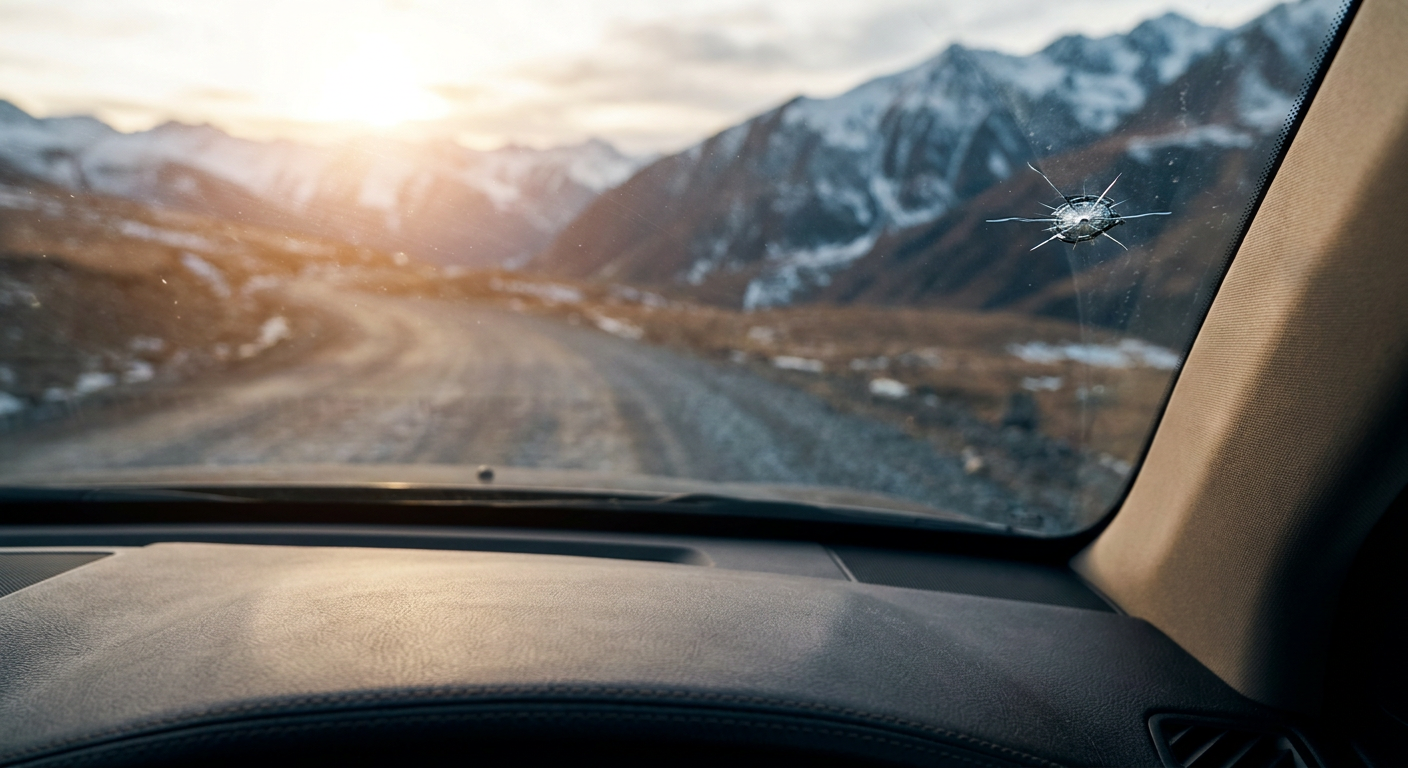
A stone comes off a gravel truck somewhere past Ananuri on the Georgian Military Highway. It hits the windscreen at speed and leaves a star the size of a coin. You are ninety minutes from Tbilisi in a rented SUV, and you have an insurance policy sitting in your inbox, bought last week because Georgia now demands one at the border.
That policy will not pay for the glass.
Since 1 January 2026 every foreign visitor entering Georgia must hold health and accident insurance with a sum insured of at least 30,000 GEL, roughly $11,000. The rule is written into the Law of Georgia on Tourism, it has been in force for more than six months, and Georgian travel forums have been arguing about it ever since. What almost nobody has written down is the part that matters once you pick up a car: the document that gets you through passport control and the document that covers the vehicle are two different products, sold by different companies, for different risks.
Quick answer
Georgia's mandatory travel insurance, in force since 1 January 2026, covers your body. Illness, injury, accident treatment, minimum 30,000 GEL of cover, for the length of your stay. It does nothing for the car you rent. Damage, theft, third-party liability and the deductible live in your rental contract, normally as CASCO plus OSAGO. You need both documents, and you buy them in different places. Our notes on the rental deposit in Georgia and winter tyre rules and fines cover the money side of the same trip.

What the January 2026 rule actually says
The requirement sits in Article 12 of the Law of Georgia on Tourism, as summarised by Georgian legal practice, and the Polish embassy in Tbilisi publishes the same terms for travellers. Stripped to what a visitor has to do:
- Health and accident cover, minimum 30,000 GEL. About $11,000 at current rates. That is a sum insured, not a premium.
- Valid for the whole stay, from entry to departure, capped at one year.
- Any insurer, Georgian or foreign. A policy from your home provider counts if it meets the sum and the dates.
- Paper or digital, in Georgian or English. A PDF on your phone satisfies the form requirement.
- Border officers are authorised to check it. Authorised, which is not the same as guaranteed to.
- Exemptions exist: diplomatic, official and service passport holders, accredited mission staff and their families, people entering under an international agreement, and drivers on international transport routes.
The US Embassy in Tbilisi published its own notice on 31 December 2025, and Georgian insurers moved fast: TBC Insurance and several local platforms now sell a product built specifically around the 30,000 GEL line.
Is it checked in practice?
Patchily, on the evidence travellers keep posting. In a long r/Sakartvelo thread that has been running since 2 January 2026, a Swedish visitor reported entering from Türkiye with a policy in hand and wrote plainly: "Didn't need to show anything btw!" Asked the same question again in July, six months into the rule, the answer had not changed. On the Rick Steves travel forum a traveller described the mirror image in April: the airline asked for proof before boarding, and Georgian border control never mentioned it.
Two practical conclusions come out of that. The airline is the tighter checkpoint, so the policy needs to exist before you get on the plane. And enforcement that is loose in year one has a habit of tightening, usually without a press release.
The border officer checks whether you can pay a hospital. Nobody at the border checks whether you can pay for the car.
The gap nobody writes about: what a health policy will not do behind the wheel
Read the wording of any policy sold for the entry rule and you find the same shape. It underwrites a person: emergency treatment, hospitalisation, repatriation, accidental injury. It is medical cover with an accident rider, and it performs exactly as designed when a driver is hurt.
Now list what actually goes wrong on a two week Georgian road trip. A stone chip on the way to Kazbegi. A kerbed alloy in Tbilisi's old town. A mirror clipped in a Batumi car park. A deductible held against your card after a scrape you did not cause. A claim from the other driver after a merge on the Rustavi road. Every one of those is a property or liability event, and a health and accident policy has no clause that touches any of them.
| Event on the road | Entry health policy | Rental car cover (CASCO / OSAGO) |
|---|---|---|
| You are injured in a crash | Pays: treatment, hospital, repatriation | No |
| Passenger injured in your car | Pays their treatment if they hold their own policy | OSAGO liability, if the rental carries it |
| Cracked windscreen or stone chip | No | CASCO, if glass is included and not excluded |
| Kerbed wheel, tyre, underbody | No | Often excluded from basic CASCO, check the wording |
| Car stolen or written off | No | CASCO, subject to the deductible |
| Damage you cause to another car | No | OSAGO third-party liability |
| Deductible or excess charged to you | No | Only a zero-excess or full-cover product removes it |
| Deposit held on your card | No | Rental contract, not insurance at all |
| Days of rental lost while the car is repaired | No | Loss-of-use clause, usually chargeable to the renter |
The table is the whole article in one screen. The left column pays for you. The right column pays for the machine. Neither one pays the other's claim, and no upgrade to one closes a gap in the other.
CASCO, OSAGO and the number that decides your trip
Georgian rental contracts use two terms borrowed from the post-Soviet insurance vocabulary, and travellers routinely swap them.
CASCO is own-damage cover on the rented vehicle. It pays to repair or replace the car itself, and it is voluntary insurance that the rental company chooses to carry.
OSAGO, motor third-party liability, pays for the damage you do to someone else. Here is the detail that surprises most visitors: Georgia's compulsory motor third-party liability law applies to owners of vehicles registered in a foreign state, a regime introduced in March 2018 for cars crossing into the country. Georgian insurers describe the same split, with Aldagi listing foreign-plated vehicles as the mandatory case. A Georgian-plated rental car is not covered by that obligation, so any liability cover on it is a commercial decision by the company renting it to you.
That is why "is the car insured?" is a weak question. The useful question is what the deductible is, and what it excludes.
The Georgian market answers that in a wide range. Rental listings sold to the Russian-speaking market advertise standard deductibles from a few hundred dollars up, with glass, tyres and underbody carved out of basic cover and a full-cover upgrade sold per day on top. That structure is normal and legal. It is also the reason two listings for the same car can sit far apart on the daily line, and why the lower one so often ends with a charge at drop-off.
Send this to any rental company before you book, ours included:
1. Is CASCO included in the daily rate, or sold as an extra?
2. What is the deductible in USD or GEL, per incident?
3. Are glass, tyres, wheels and underbody covered, or excluded?
4. Does the rate include OSAGO third-party liability, and to what limit?
5. What is the security deposit, and when is it released?
6. If the car is off the road for repair, who pays for those days?
Six answers in writing on WhatsApp is a better risk assessment than any policy summary. If a company will not put them in a message, that is the answer.
How we handle it
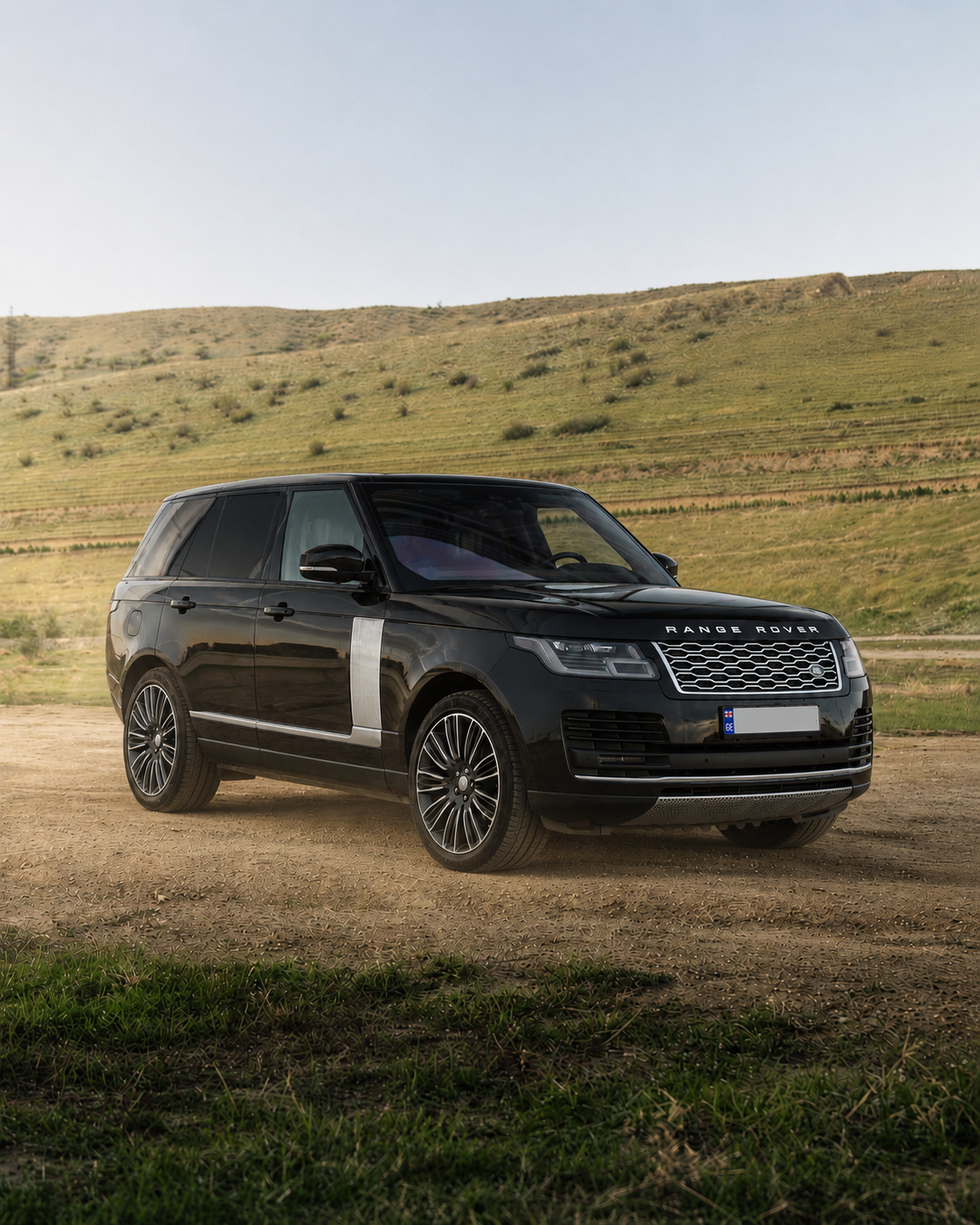
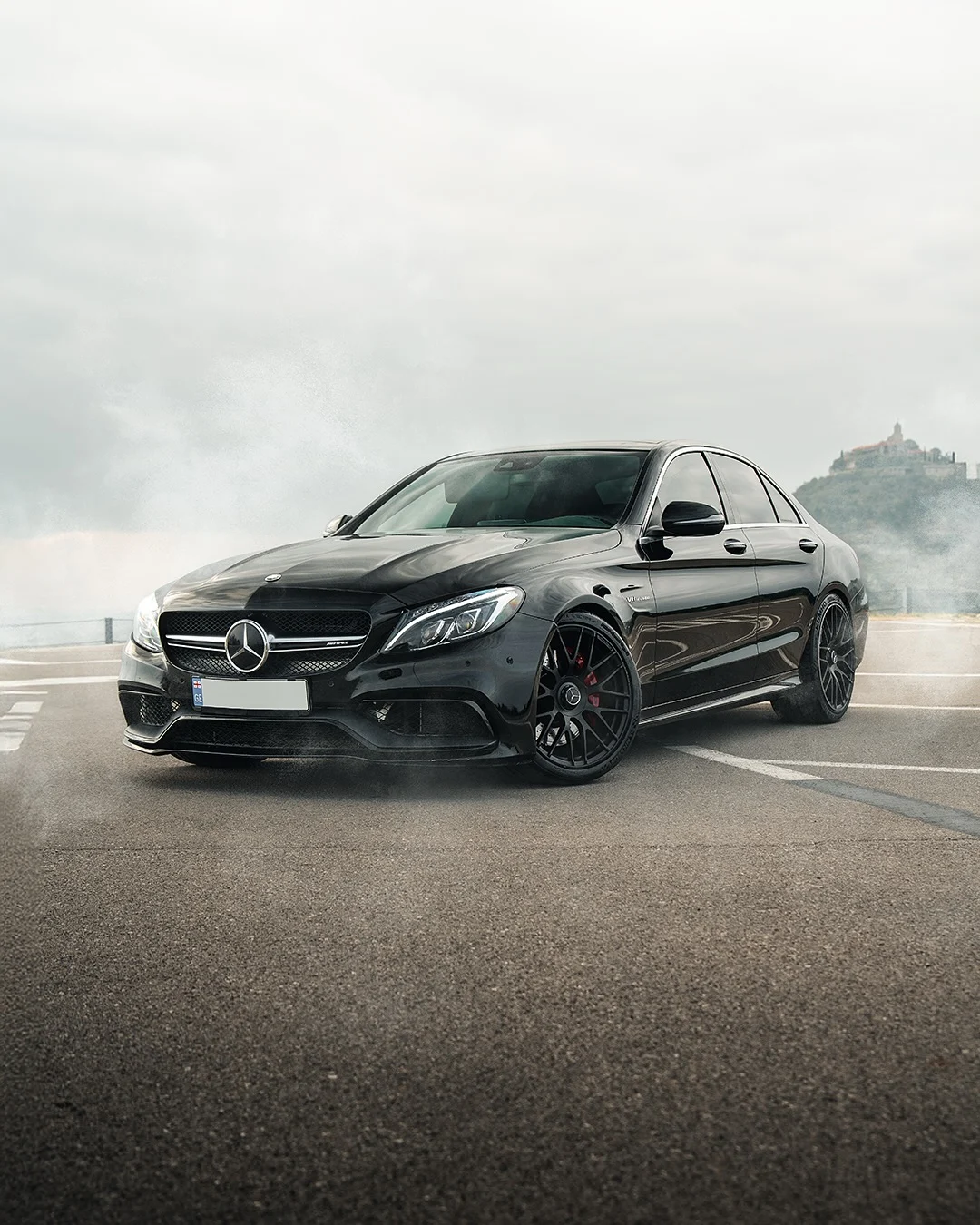
AutoHub has rented cars in Georgia since 2018 and runs a fleet of more than 70 cars, from $85 to $1,300 a day. Our rate is all-inclusive with CASCO and OSAGO already in the daily price, and verified guests take the car with zero excess, which is stated on every car page including the Range Rover Vogue at $200 a day and the Mercedes-AMG C63 from $150. We deliver anywhere in Tbilisi within 30 minutes, and the concierge answers WhatsApp or Telegram within 15 minutes. Those are our own operating standards, measured on our own bookings, and worth exactly what you can verify on the car pages and in the first message you send us.
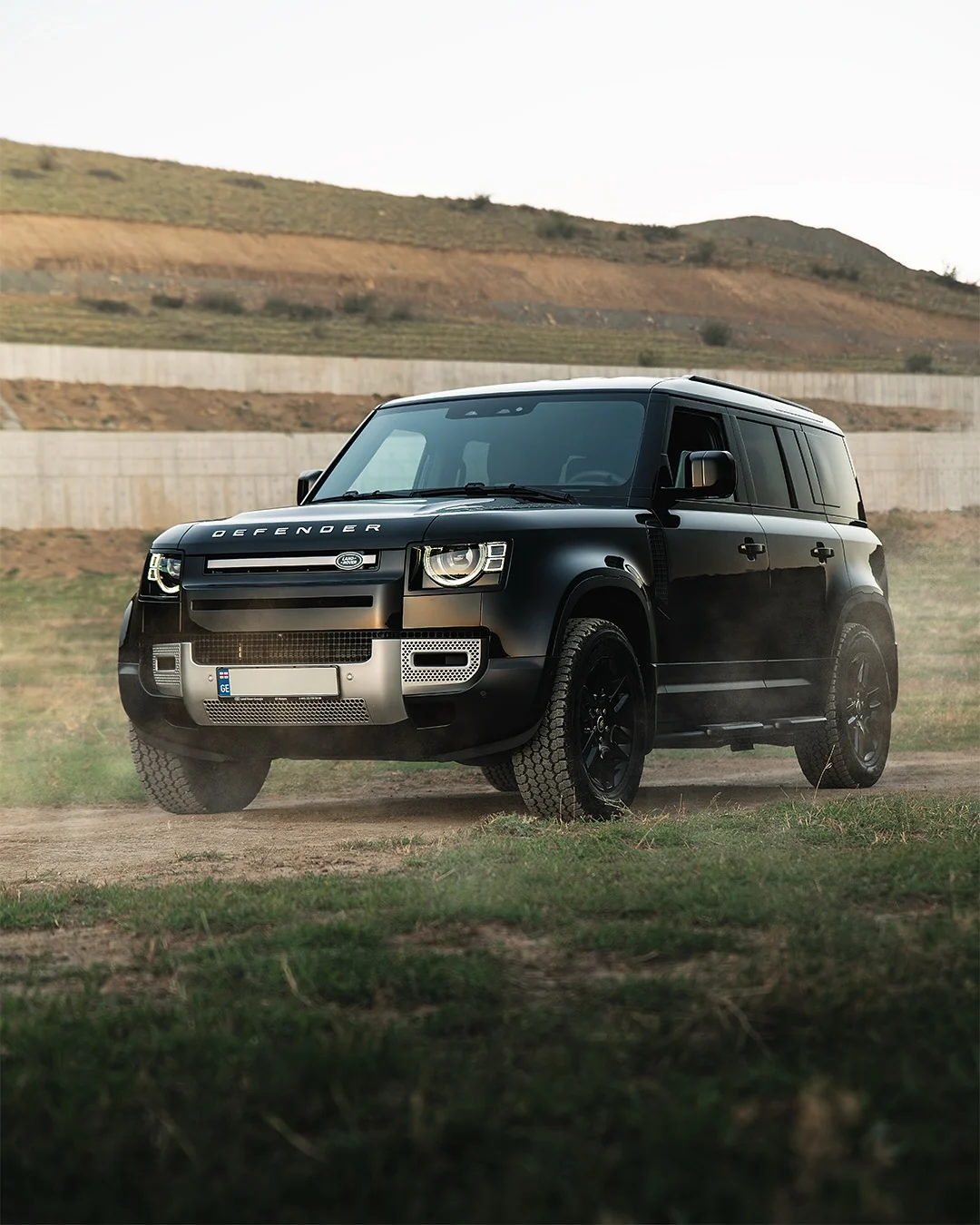
For the mountain routes where the risk actually sits, the honest recommendation is a Land Cruiser 300 or a Defender rather than the sedan that costs less on the booking screen. In our experience the two roads that produce the awkward conversations at drop-off are the same every winter: the climb to Gudauri and the descent into Kazbegi.
Where both policies stop: activities, altitude and borders
Two exclusions catch out even travellers who bought both products.
Adventure activities. The entry-rule policies are priced to clear a legal minimum, and several of them exclude exactly what people come to Georgia for. In the same r/Sakartvelo thread, a traveller planning to ski summarised their comparison this way: "We wanted to ski and do activities, but the Georgian-specific insurances didn't really cover anything." They bought a European policy instead and used the local option only as a border document. If your trip involves a Gudauri ski week, a paraglider, or anything with a rope on it, read the exclusions list before you compare the price.
Borders. Georgian motor insurance is territorial. Rental operators in Tbilisi state it plainly, with Starcar noting that Georgian cover does not extend to Armenia, and Enterprise Georgia explaining that a cross-border addition activates coverage into Armenia only if arranged in advance and paired with a locally purchased third-party policy. Travellers in r/Sakartvelo confirm the routine: tell the rental company, get written permission, buy Armenian insurance at the crossing.
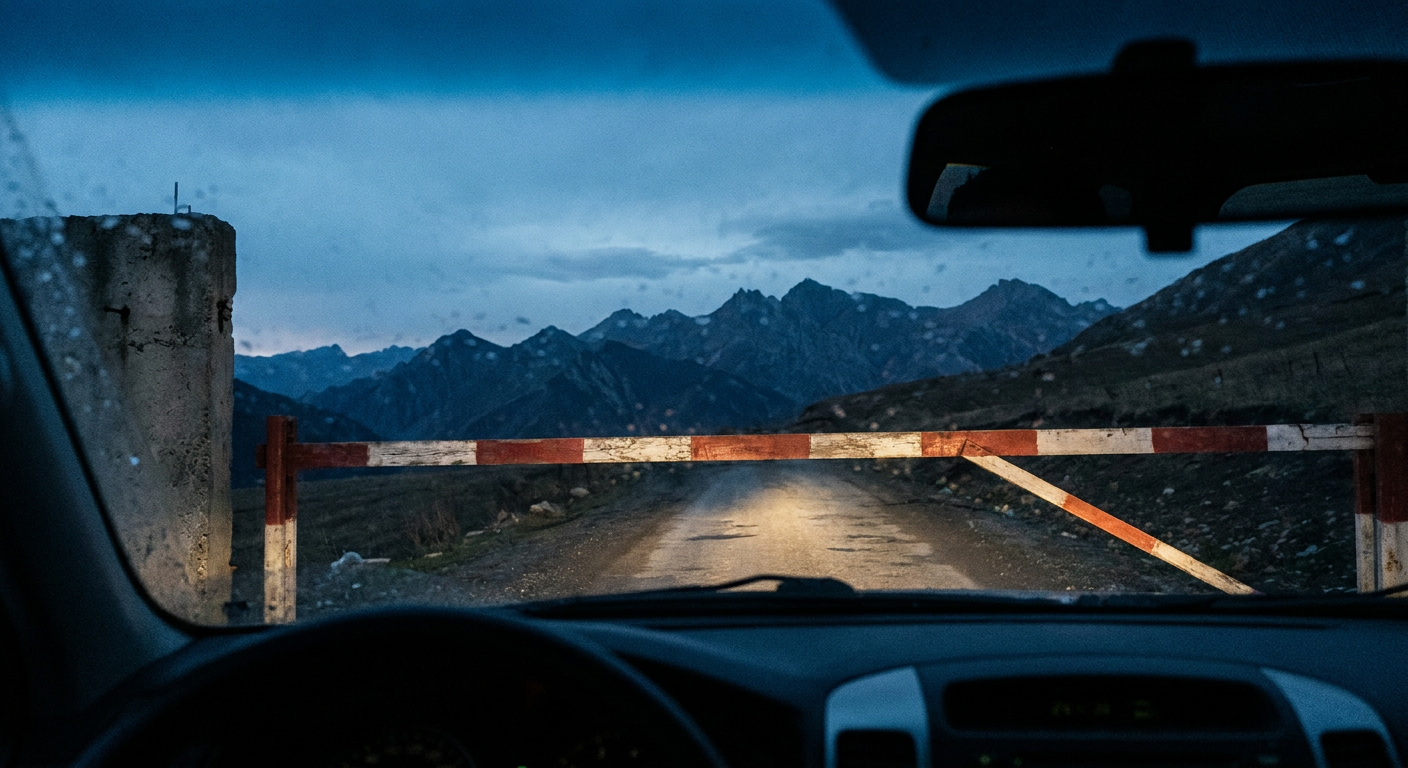
Your health policy has a territory field too, and it is the field people never read. A policy written for Georgia alone stops working the moment you clear the Armenian checkpoint at Sadakhlo, in the same kilometre as the car's cover. Two documents, one border, both silently void.
Most premium fleets in Georgia, including ours, simply do not allow their cars out of the country. That is worth knowing before you plan Yerevan into a Georgian rental.
The honest caveat
Three things in this article could change without warning, and pretending otherwise would be useless to you.
Enforcement is the first. Today's evidence says airlines check and border officers mostly do not. That is an observation about behaviour in 2026, not a legal position, and the rule itself is unambiguous. Travel with the policy.
The second is that we are a car rental company, not an insurance broker. We can tell you precisely what our contract covers, because we wrote it. We cannot tell you what your travel policy covers, because we have not read it, and the real answers hide in the exclusions, deep in the policy wording.
The third is money. Community reports in January 2026 put local entry policies anywhere from around 2 GEL a day to €15 for ten days, and one traveller paid roughly €30 for a European policy with activity cover. Those are traveller reports rather than published tariffs, they were accurate to the week they were posted, and prices move. Quote them to nobody.
The ten-minute check before you fly
Ask your travel insurer:
- Does the sum insured reach 30,000 GEL, and does the certificate say so in English?
- Do the dates cover every day between entry and departure?
- Is Georgia named in the territory, and are Armenia, Azerbaijan and Türkiye named if you plan to cross?
- Are skiing, hiking above a stated altitude, and motorcycling excluded?
Ask the rental company:
- Is CASCO in the rate, and what is the deductible in numbers?
- Are glass, tyres and underbody in or out?
- What is the deposit and the release timeline?
- Is cross-border travel permitted at all, and at what cost?
Eight answers, saved in one chat thread, cover almost every way this trip becomes expensive. If you would rather not hold the risk, hiring a driver moves the whole vehicle side of the ledger onto the company that owns the car.
Frequently asked
Do they actually check travel insurance at the Georgian border? Border officers are authorised to check, and travellers arriving through both Tbilisi airport and the land border with Türkiye have reported not being asked, in January and again in July 2026. Airlines have been stricter, several passengers report being asked for proof at check-in. The requirement is legally in force regardless of who asks.
Does my normal travel insurance count, or do I need a Georgian policy? A foreign insurer is accepted, as long as the policy covers health and accident, reaches the 30,000 GEL minimum, runs for the whole stay, and is readable in Georgian or English. Many visitors simply extend the policy they already hold.
Does travel insurance cover the rental car excess in Georgia? Not the standard entry-rule policies. Some international travel products sell a separate rental excess add-on, which is a different module bought specifically for that purpose. Assume no unless your certificate names it.
Can I buy the policy at the airport when I land? Local products are sold online and issue instantly, which is why travellers keep suggesting it as a fallback. The weak point is the airline, which may ask before boarding, so buying on arrival can strand you at your departure gate.
The rental rate includes CASCO. Do I still need travel insurance? Yes. CASCO covers the car. The entry rule is about your health and accident cover, and no CASCO policy satisfies it.
Does the insurance on a Georgian rental car work in Armenia or Azerbaijan? No. Georgian motor cover is territorial. Crossing requires written permission from the rental company plus a third-party policy bought for the destination country, and many premium fleets do not permit border crossings at all.
What happens if I am injured in a crash in a rental car? Your health policy pays for your treatment. The car's CASCO handles the vehicle, the OSAGO handles damage to the other party, and the deductible falls on whoever the rental contract says it falls on. Three separate documents settle one incident, and none of them substitutes for another.
Is there a fine for entering without the policy? No penalty specific to tourists has been published in the sources we could verify. The practical consequence sits at the point of check, whether an airline refuses boarding or a border officer refuses entry, so treat the policy as a boarding document rather than a fee you might get away with skipping.
Georgia asked visitors for one new piece of paper this year, and a lot of people are treating it as the paper that covers everything. It covers you. The car is a separate contract, and the sentence that decides your trip is the deductible line inside it.
Send us the dates and the route and we will tell you, in writing, exactly what our rate covers before you book. WhatsApp or Telegram +995 557 437 034, or concierge@autohub.ge, answered within 15 minutes. Delivery anywhere in Tbilisi within 30 minutes, or to your hotel or the airport in Batumi, Kutaisi, Gudauri and Kazbegi.